Lesson 1.3Before Applying6 min readUpdated

USDOT vs. operating authority

Two numbers, two different jobs. What a USDOT number does, what an MC number adds, and which one(s) your operation actually needs.

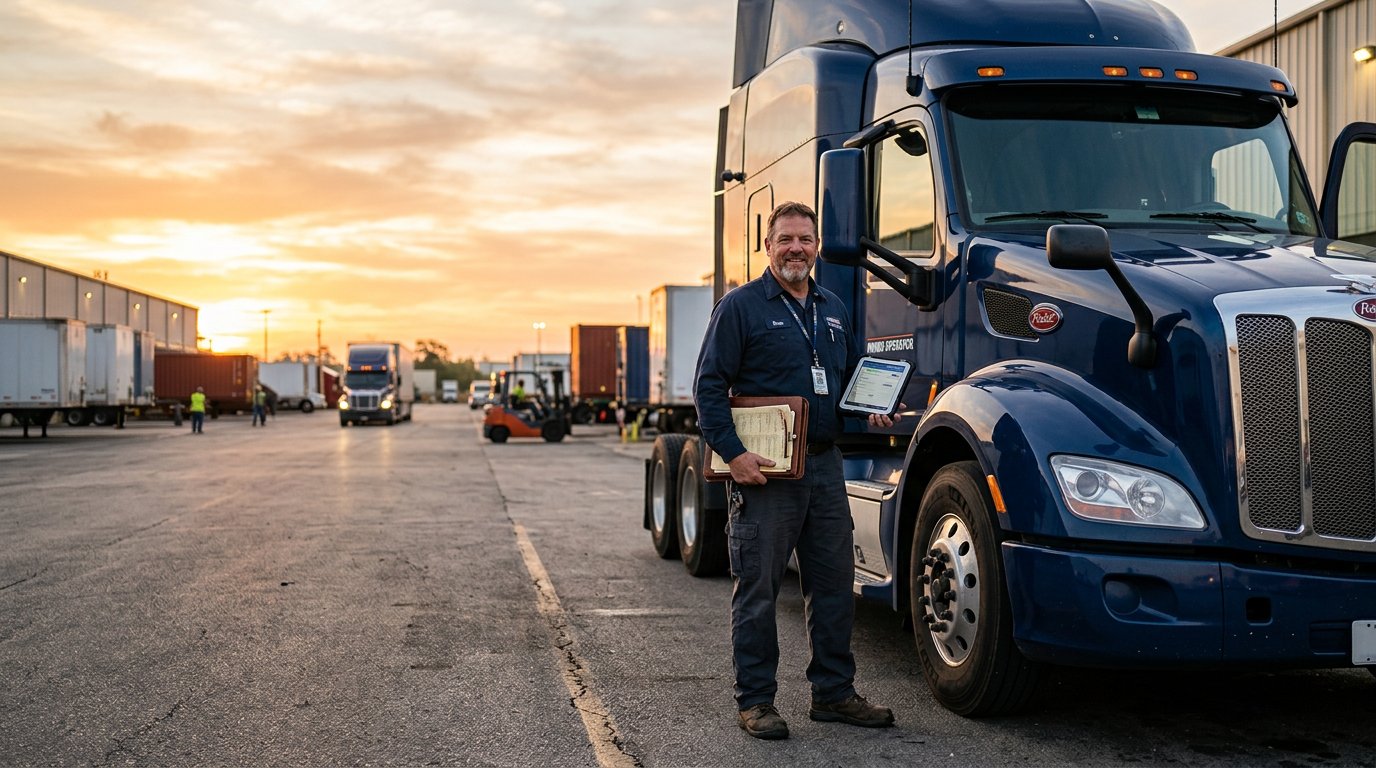
Brandon Bennett, Lead Instructor at Trucking Authority University

By Brandon Bennett · Lead Instructor

Trucking Authority University · Powered by QP Trucking Solutions · Free Educational Curriculum

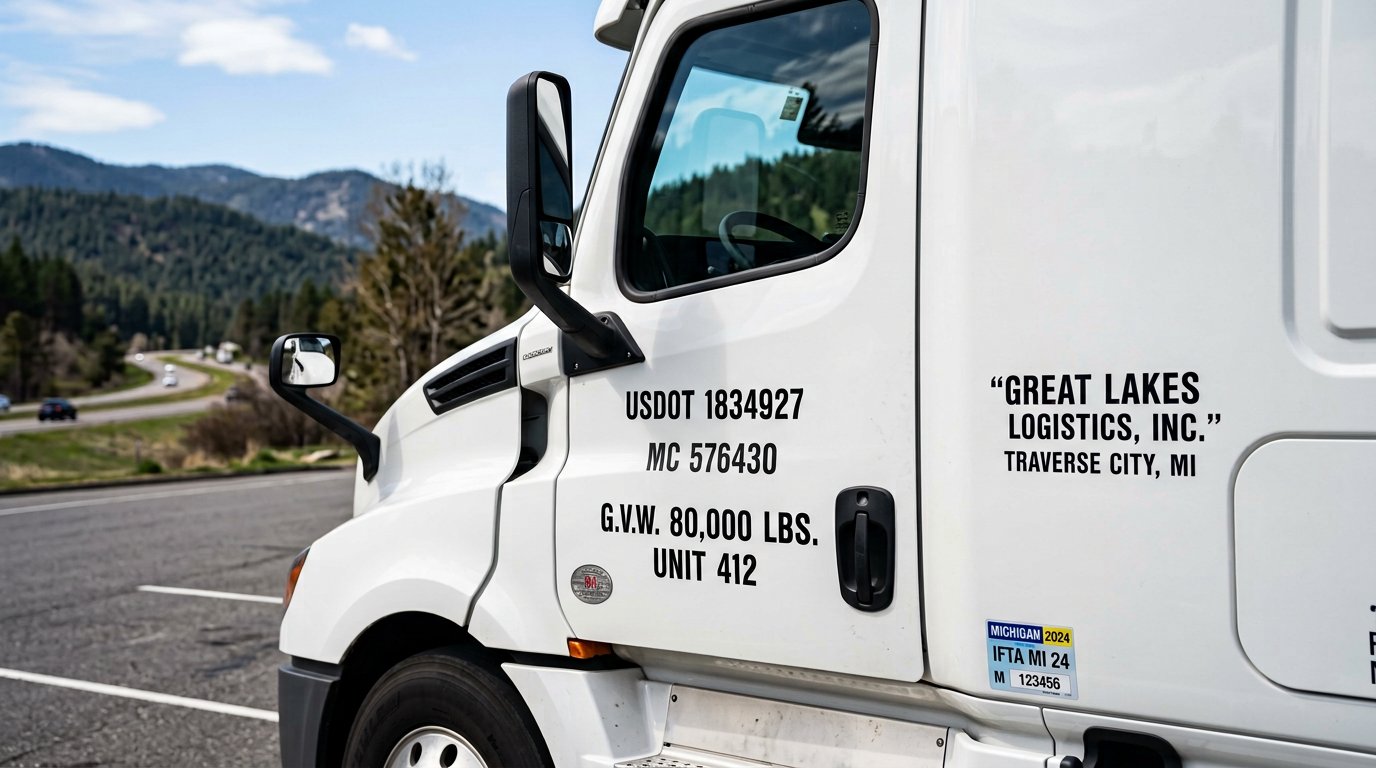
Commercial semi-truck cab door displaying crisp USDOT number, MC operating authority number, GVW rating, and IFTA sticker
Your USDOT number identifies your safety record; your operating authority (MC) defines what for-hire interstate business you are permitted to conduct.

Visual Framework

Do You Need a USDOT Number, Operating Authority, or Both?

Follow these three operational questions to pinpoint your exact federal registration profile.

Check 1

Interstate or Intrastate?

Crossing state lines, international borders, or hauling interstate-originating freight triggers federal FMCSA jurisdiction.

Check 2

For-Hire or Private Carrier?

Getting paid to haul someone else's freight = For-Hire. Hauling exclusively your own business inventory = Private.

Check 3

Regulated Property or Exempt?

General freight, dry van, reefer, flatbed, and auto haul require for-hire Property Authority; raw unprocessed farm goods follow FMCSA exempt rules.

Check 4

Vehicle GVWR / GCWR

10,001+ lbs GVWR/GCWR in interstate commerce requires USDOT safety compliance; 26,001+ lbs adds CDL, IFTA, and IRP requirements.

What job does a USDOT number perform?

A USDOT number serves as a unique identifier when collecting and monitoring a company's safety information acquired during audits, compliance reviews, crash investigations, and roadside inspections. Under federal rules, commercial vehicles with a gross vehicle weight rating (GVWR) or gross combination weight rating (GCWR) of 10,001 pounds or more operating in interstate commerce—or transporting placardable hazardous materials—must obtain and display a USDOT number.

Even if you never cross state lines, well over thirty US states require intrastate commercial motor vehicle registrants to obtain a USDOT number as part of state registration. Having an active USDOT number by itself, however, does NOT authorize you to haul regulated interstate loads for freight brokers.

USDOT Number vs. Operating Authority (MC Number) at a Glance
FeatureUSDOT NumberOperating Authority (MC Number)
Primary Legal PurposeSafety monitoring, roadside inspections, fleet census trackingPermission to haul regulated property/passengers for hire across state lines
Required by Freight Brokers?Yes — checked for safety scores, inspections, and MCS-150 currencyYes — must show ACTIVE Common/Contract Property authority before dispatch
Requires BOC-3 & Insurance Filing?Not for private intrastate USDOT aloneMandatory — BOC-3 and insurer BMC-91 filing required to activate
Ongoing Federal Update RuleBiennial MCS-150 update required every 2 years (even if 0 miles changed)Must maintain continuous active insurance & process agent on file
Owner-operator reviewing commercial motor carrier documentation beside tractor-trailer
Matching your registration to your cargo type, gross weight, and interstate vs. intrastate routes avoids costly re-filings.

Why choosing the exact authority classification matters on day one

During the FMCSA registration workflow, small checkbox mistakes create major headaches. Selecting 'Motor Carrier of Household Goods' when you haul general dry-van freight imposes higher cargo and arbitration rules meant for residential moving companies. Selecting 'Interstate Private' when you plan to book loads on a load board leaves you with a USDOT number only and zero for-hire authority.

Before submitting anything, confirm your cargo category (General Freight vs. Motor Vehicles vs. Building Materials vs. Refrigerated Food), gross vehicle weight tier, and state footprint. If you already applied and aren't sure what your public record shows right now, run a free lookup on our Already Applied readiness page.

Connected Knowledge Graph

Keywords & Connected Web Articles for Lesson 1.3

Click any short-tail keyword or long-tail search topic to jump straight into our full companion web article or primary federal reference.

Verified Answers & Compliance Reference

Lesson 1.3 — Frequently Asked Questions

Detailed answers on "usdot vs. operating authority" for new and active motor carriers.

No, not if you are hauling regulated commodities for compensation across state lines. Interstate for-hire transport of non-exempt freight requires active FMCSA operating authority in addition to an active USDOT number. Brokers check SAFER and Licensing & Insurance before releasing a load.

Yes. If your commercial vehicle or truck-and-trailer combination has a GVWR or GCWR of 10,001 pounds or more and hauls regulated freight for hire across state lines, you need both a USDOT number and operating authority—even though you only cross into CDL/IFTA/IRP territory above 26,000 pounds.

Use our free Readiness Check on the Already Applied page (which reads live FMCSA SAFER and Census data) or search FMCSA's SAFER Company Snapshot directly to verify legal name, MCS-150 update date, power units, and operating status.

Purely intrastate operations (where neither the truck nor the shipment crosses state borders) are regulated by your state DOT or public utilities commission. Most states still require a USDOT number marked Intrastate plus any state motor carrier permit and state insurance filing.

FMCSA requires every USDOT registrant to file a Biennial Update (Form MCS-150) every two years based on the last two digits of your USDOT number—even if your address, truck count, and mileage haven't changed.

FMCSA has been modernizing its registration system toward USDOT-centered identification while continuing to require specific operating authority registrations, insurance filings, and BOC-3 designations for for-hire interstate carriers. Always verify active operating authority status before hauling.